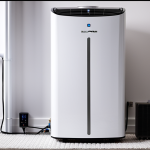

Choosing a heat pump water heater transforms home water heating by combining efficiency, sustainability, and cost savings. Unlike traditional models, it leverages ambient heat, slashing energy consumption and utility bills. Homeowners seeking reliable, eco-friendly solutions will find long-lasting performance paired with potential financial incentives. This technology not only reduces environmental impact but also enhances safety and comfort—making it a smart upgrade for modern households.
Key advantages of heat pump water heaters for homeowners
When exploring home water heating options, heat pump water heaters consistently stand out due to their significant benefits tailored for residential use. One of the primary heat pump water heater benefits is their exceptional energy efficiency. Unlike traditional water heaters that generate heat through electric resistance or burning fuel, heat pump water heaters operate by transferring heat from the surrounding air to the water. This method uses much less electricity, reducing energy consumption and lowering utility bills.
Also to discover : Revamp your british garage: the ultimate diy guide to designing the perfect home workshop
In terms of residential water heater advantages, heat pump water heaters offer superior environmental friendliness. Their energy-efficient operation means fewer greenhouse gas emissions compared to conventional water heaters. For homeowners looking to reduce their carbon footprint, this technology provides a sustainable way to meet hot water demands.
Comparatively, traditional water heaters often have higher operating costs and shorter lifespans. Heat pump water heaters provide enhanced durability, often lasting longer with proper maintenance. They also deliver improved user experience by maintaining a more consistent hot water temperature and reducing the time required to heat large water volumes.
Also read : Elevate your uk bathroom into a stylish green sanctuary: the ultimate guide to eco-luxury design
Overall, the combination of energy savings, environmental benefits, and extended lifespan makes heat pump water heaters a compelling choice among home water heating options. For those considering an upgrade, visiting a trusted resource like https://atlantic-comfort.ae/ can provide detailed guidance on maximizing these residential water heater advantages.
Energy efficiency and reduced utility costs
Heat pump water heaters are energy efficient water heating systems that utilize advanced technology to significantly reduce energy consumption. Unlike traditional water heaters that generate heat through electric resistance or gas combustion, heat pumps transfer existing heat from the surrounding air to warm water. This process uses considerably less energy, resulting in notable heat pump savings.
Typically, heat pump water heaters consume about 50% to 60% less energy compared to conventional electric water heaters. This translates directly into lower utility bills, making them a cost-effective choice for households aiming to reduce monthly expenses. The efficiency of heat pump technology means less electricity is needed to maintain hot water supply, which is reflected in decreased energy charges on your utility statements.
The impact on monthly household utility bills can be considerable. Many homeowners report savings of up to $300 per year, depending on factors such as water usage, local electricity rates, and unit efficiency. These savings not only offset the initial investment in energy efficient water heating systems but also contribute to long-term financial benefits.
For those interested in exploring these benefits further, more information on how heat pump technology enhances energy efficiency and reduces costs can be found here: https://atlantic-comfort.ae/.
Environmental impact and sustainability
Choosing eco-friendly water heaters significantly lowers your home’s carbon footprint. These sustainable home appliances operate by harnessing renewable or ambient heat sources, such as air or ground heat, which means they use far less electricity than conventional models. This efficient energy use leads to a marked greenhouse emissions reduction.
Because they rely on natural energy, these heaters minimize dependence on fossil fuels, reducing the release of harmful gases into the atmosphere. This aligns well with broader sustainable living goals, helping households contribute positively to environmental protection. Adopting such technologies is a meaningful step towards creating more energy-conscious homes, making a real difference in mitigating climate change.
For those ready to embrace these benefits, exploring advanced options ensures not just energy savings but also supports long-term environmental health. Discover more about how these appliances can fit into your home’s sustainability plan at https://atlantic-comfort.ae/.
Long-term cost savings and available incentives
When considering heat pump water heaters, the long-term financial benefits are significant. One of the most compelling reasons to invest in a heat pump water heater is the substantial water heater cost savings achieved over time. Unlike traditional water heaters, heat pumps use electricity more efficiently by transferring heat rather than generating it directly, leading to lower operational costs and reduced energy consumption. This efficiency often translates to a reduction of 50% or more in water heating costs compared to conventional electric models.
Maintenance expenses are also notably lower with heat pump water heaters. Their durable components and fewer repair requirements extend their lifespan and reduce the frequency and cost of servicing. This contributes further to overall savings, making them an economically savvy choice for homeowners seeking long-term savings.
An important factor influencing these savings is the average payback period for a heat pump water heater investment. Typically, homeowners can expect to recoup their costs within 3 to 7 years, depending on their energy rates and usage patterns. Beyond this break-even point, the savings on water heater operational costs become pure financial gain.
To encourage adoption, many regions offer government rebates and heat pump incentives, which substantially lower the upfront purchase price. These incentives may come in the form of rebates, tax credits, or local financial programs designed to promote energy-efficient appliances. For example, local utility programs frequently provide cash-back rebates that lower initial investment costs significantly. Such incentives, combined with the energy and maintenance savings, enhance the appeal of heat pump water heaters.
For those exploring these opportunities, it’s advisable to check current offers through official government sources or trusted local vendors. Additional information about these advantages can also be found through resources like https://atlantic-comfort.ae/, which detail rebate programs and financial benefits comprehensively.
Understanding these factors can empower consumers to make informed decisions that align with both sustainability goals and economic efficiency. The combination of ongoing water heater cost savings, supportive government rebates, and heat pump incentives forms a strong case for choosing this innovative solution.
Durability, safety, and reliability
When selecting durable water heaters, durability is a crucial factor. Heat pump water heaters typically have an expected lifespan of 10 to 15 years, often exceeding that of traditional electric or gas water heaters. This extended durability results from their advanced design and fewer mechanical parts subjected to wear. Unlike conventional heaters that rely on direct heating elements, heat pumps use refrigerant cycles, reducing internal stress and prolonging operational life.
Safety is another significant advantage with these systems. Safe home water heating is achieved through features like automatic shutoff mechanisms and temperature regulation, minimizing the risk of overheating or pressure build-up. Unlike gas heaters, heat pumps do not produce combustion gases, substantially reducing the chance of leaks or explosions, making them inherently safer in residential settings.
Regarding heat pump reliability, these water heaters perform consistently across various climates. Their efficiency may dip in extremely cold temperatures, but models with auxiliary heating elements or hybrid systems ensure continuous hot water supply regardless of weather conditions. This reliability makes heat pump water heaters a practical choice for diverse environments, balancing energy efficiency with dependable operation.
For more detailed information on the benefits and technological aspects of heat pump water heaters, visit https://atlantic-comfort.ae/.
Real-world testimonials and expert recommendations
Understanding the performance of heat pumps through customer heat pump reviews provides valuable insights into their effectiveness in everyday settings. Many homeowners highlight significant reductions in energy bills and increased comfort levels, emphasizing the heat pump’s ability to maintain consistent indoor temperatures even during colder months. Such feedback underscores the value of heat pumps as reliable, energy-efficient heating solutions.
Experts in the HVAC industry also offer strong expert endorsements for heat pumps, recognizing their potential to reduce carbon footprints and enhance home energy efficiency. Specialists frequently recommend heat pumps for residential use due to their dual heating and cooling functionality and low environmental impact compared to traditional systems.
Several residential heat pump case studies illustrate these points clearly. For instance, one case study involved a family upgrading their conventional heating to a modern heat pump system, which resulted in a 30% decrease in annual energy consumption. Another reported improved air quality and quieter operation than previous heating units. These cases make evident how real-world application translates into tangible savings and improved home environments.
For more detailed information on the advantages of heat pump water heaters, visit https://atlantic-comfort.ae/. This resource complements firsthand accounts and expert opinions by explaining the technology’s practical benefits for residential heating.